A Niche Within Niche: Rethinking Natural Perfumery at Paris Perfume Week
Apr 23, 2026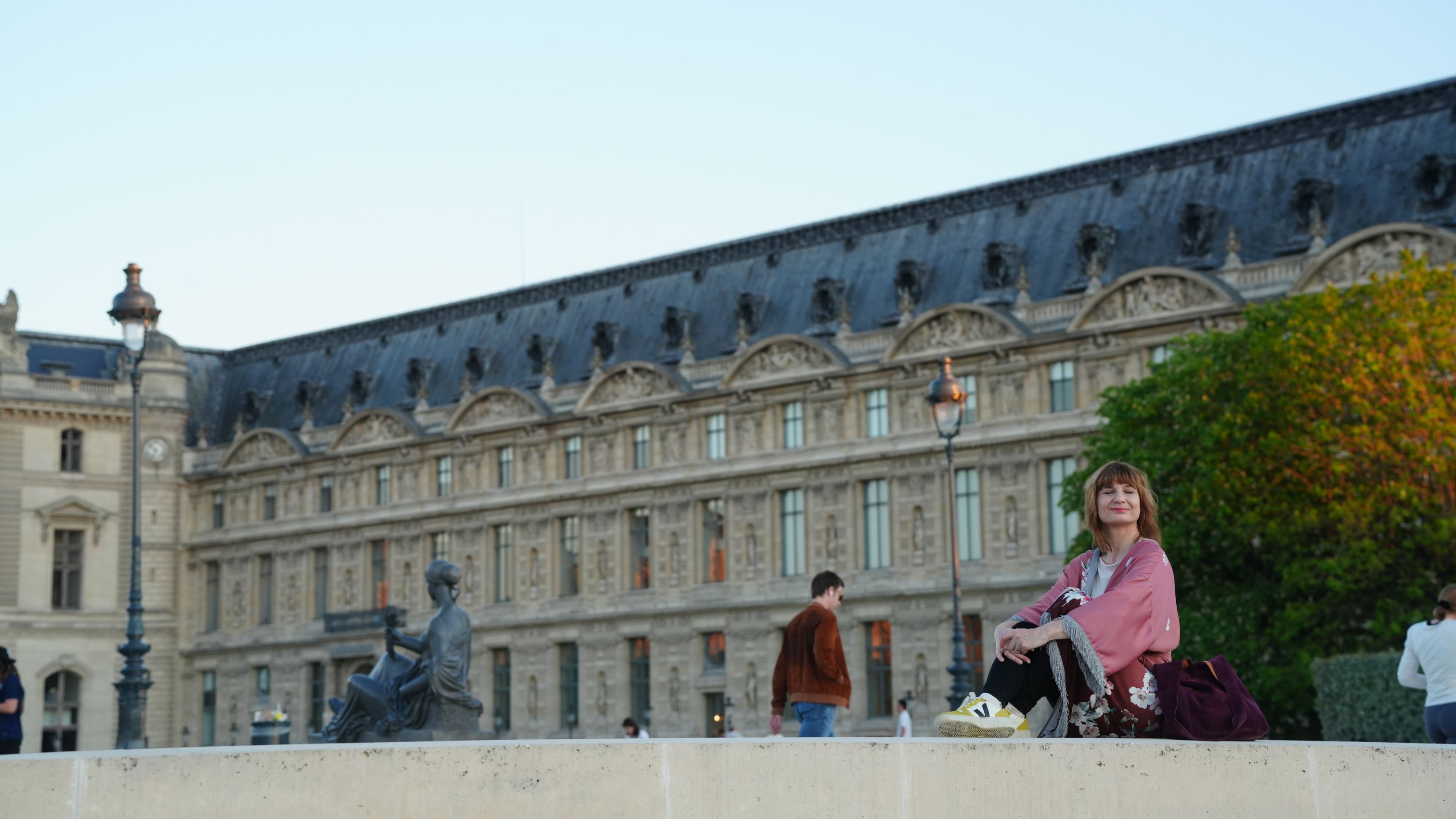
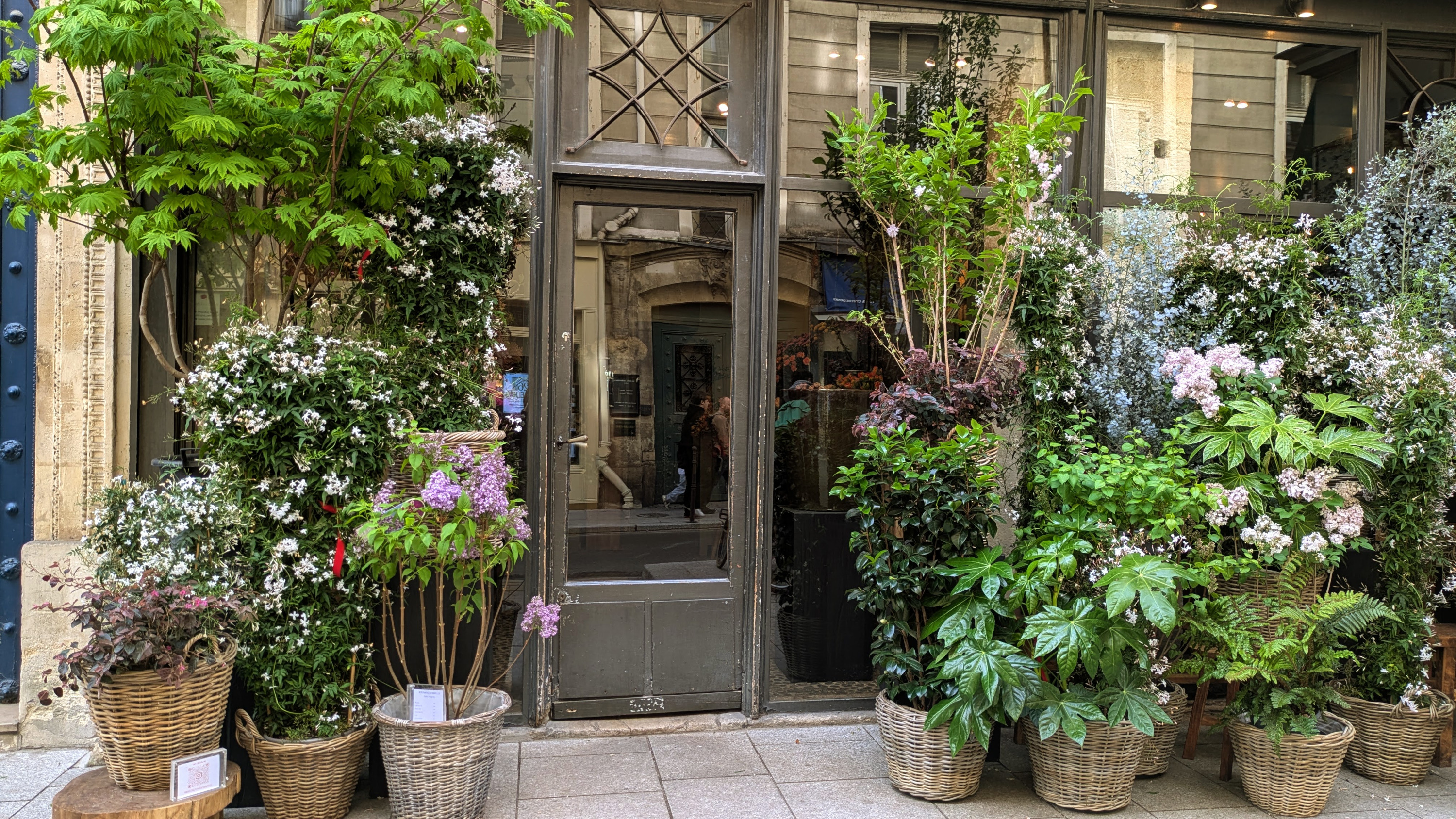
The day unfolded slowly—coffee, light, footsteps through old passages … and then an entry into the world of scent.
Paris reveals itself like a perfume. Not all at once, but in layers—through atmosphere, movement, and small, unexpected encounters.
At Paris Perfume Week, this experience becomes more concentrated. For a few days, you are surrounded by people from different parts of the world, working with different materials and approaches, yet connected by a shared understanding: scent as a form of expression.
There is a particular clarity in such moments—the feeling of being exactly where you were meant to be.
Beyond the Exhibition
In recent years, perfumery events such as Fragranze in Florence, which I have attended several times, and Esxence in Milan have become important meeting points for the field of perfumery. Paris Perfume Week builds on this idea, but in a way that feels more layered and immersive.
What makes this event particularly valuable is its structure: it is not only an exhibition, but also a space for dialogue through lectures, masterclasses, and curated olfactory exhibitions.
During the talk The Omani Rock Rose, I encountered one of the most exquisite roses I have ever smelled—an Omani rose growing at 3000 metres above sea level, with an unusual metallic, almost wet-earth facet that expanded my understanding of rose as a material.
The curated exhibitions added another dimension. Scent of Italy felt like traveling through Italy by smell—an olfactory journey shaped through place, atmosphere, and cultural associations.
I was particularly drawn to The Legacy of the Masters, a retrospective of historically significant perfumers presented as a journey through perfume history. Moving from Paul Parquet, the creator of Fougère Royale, to Jean Kerléo, founder of the Osmothèque, I experienced perfume as something both contemporary and deeply rooted in history.
This dialogue between past and present continued in a more unexpected form. I tasted a cocktail inspired by the historic De Laire base Ambre 83. Reinterpreted by mixologist Romain de Courcy, the formula became a cocktail in which notes of vanilla, benzoin, labdanum, neroli, tonka, and sandalwood unfolded much like a fragrance.
Natural Perfumery as a Niche Within Niche
Whenever I visit a perfume event, I usually find only a small number of natural perfume brands. This time was not different in quantity, but the experience felt different—in presence, confidence, and the way natural perfumery positioned itself within the niche perfume world.
Natural perfumery appeared not as an alternative category, but as a distinct space within niche perfumery itself—a niche within niche, defined less by opposition and more by its own internal language and values.
What I found particularly interesting emerged through conversations with founders.
Again and again, a similar idea came up: people are not necessarily looking for a natural perfume to avoid synthetics or for reasons of cleanliness. They are simply searching for a scent they enjoy — a scent they connect with.
This subtle shift in perception changes the context. At this event, natural perfumery felt less connected to anti-toxic narratives or alternative positioning, and more to creative expression and authorship. It appeared as a way of working with complex natural materials through intention, skill, and artistic focus.
Conversations in the Field
Some of the most valuable insights at the event emerged through direct conversations with perfumers and brand founders.
Education and Practice
In a discussion with a representative of 100BON, she mentioned that a student from ISIPCA was surprised to discover that a 100% natural fragrance could exist at all. This reflects how natural perfumery is still often positioned within formal education, where the focus remains on established technical frameworks. When I attended a summer program at ISIPCA, we were similarly taught that creating a perfume entirely from natural materials was not truly possible.
The question is no longer whether natural perfumery is possible, but how it is developed in practice.
Working with Natural Materials
A more detailed insight into this approach emerged in the masterclass with Hiram Green. His work demonstrates how natural materials can be developed with both technical precision and artistic clarity.
His process begins with a single material—studying its facets in depth, and then building the composition through extensive experimentation. Development can involve hundreds of trials, sometimes up to 500, before a perfume is finalized.
The focus remains firmly on natural materials, not out of opposition to synthetics, but because their complexity already offers a rich field of exploration.
One example was the narcissus absolute presented during the masterclass—rich, green, and deeply textured. Later, it reappeared as the central theme of Ultra, a new fragrance by Hiram Green, demonstrating how a single natural material can evolve into a complete composition through careful modulation of its facets.
Cost and Creative Decisions
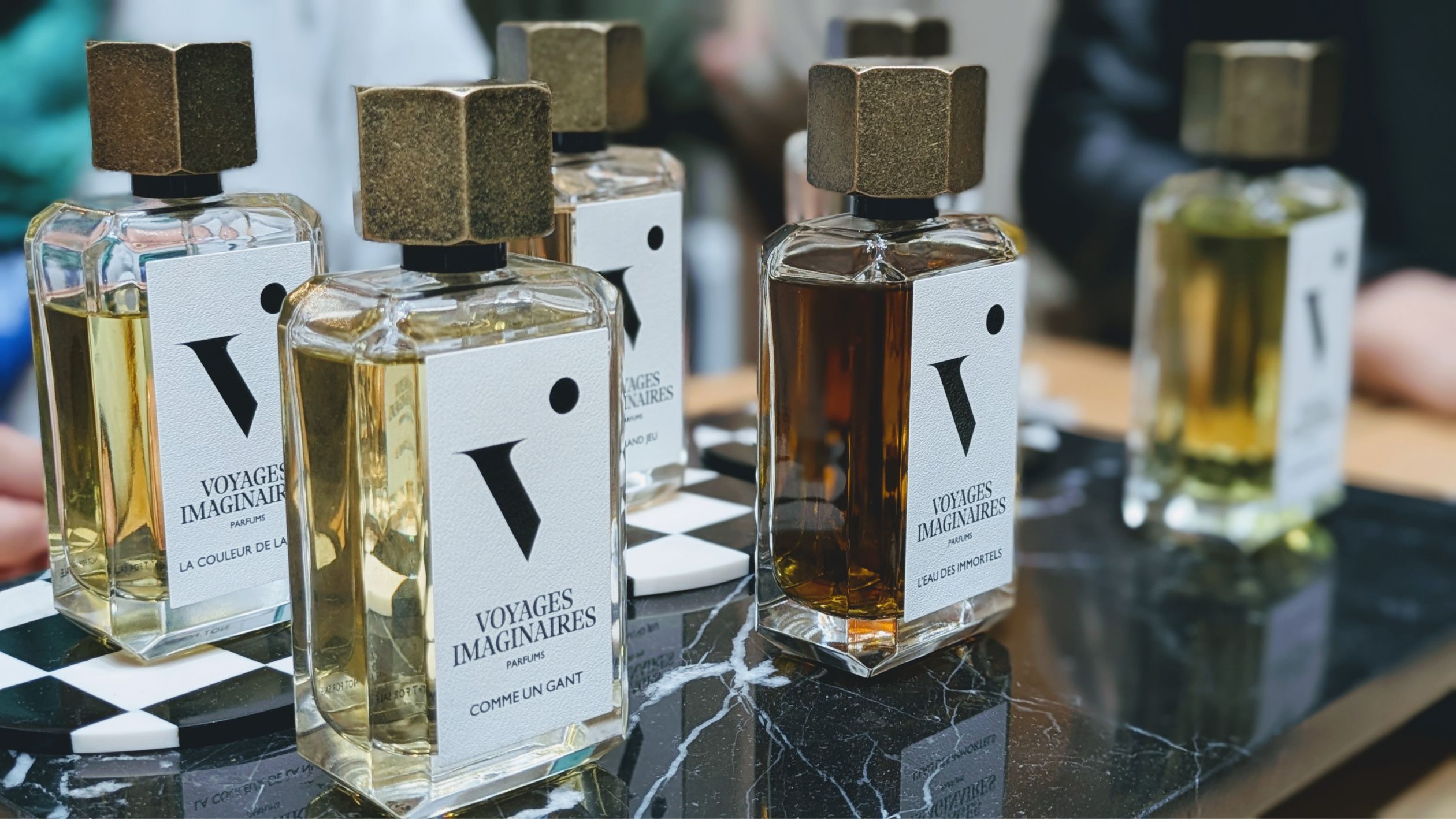
A conversation with Camille Goutal, founder of Voyages Imaginaires, revealed another important aspect: cost. The price of raw materials used in their perfumes can reach around 800 euros per kilogram, compared to a much lower standard range in conventional perfumery.
This attention to material quality and nuance is reflected in their compositions. Voyages Imaginaires particularly stood out as a brand with a clear creative vision and a broad palette of olfactory expressions.
Collaborations
At the same time, initiatives such as Parfumeurs du Monde show how is natural perfumery is developing through collaboration—working with established perfumers such as Bertrand Duchaufour to create compositions that place natural extracts at the center of the creative process.
Consumer Expectations
Another important question emerged in conversations—particularly relevant to natural perfumery, which does not rely on the same fixation systems as conventional perfumery: the question of longevity.
Many people still define a “good” perfume primarily by its longevity. While testing perfumes, I noticed that although many opened differently, the dry-down often became surprisingly similar—built around the same molecules to support lasting power.
I believe the value of a perfume lies not in how long it lasts, but in how it evolves and how it is experienced in the moment.
Perception and Experience
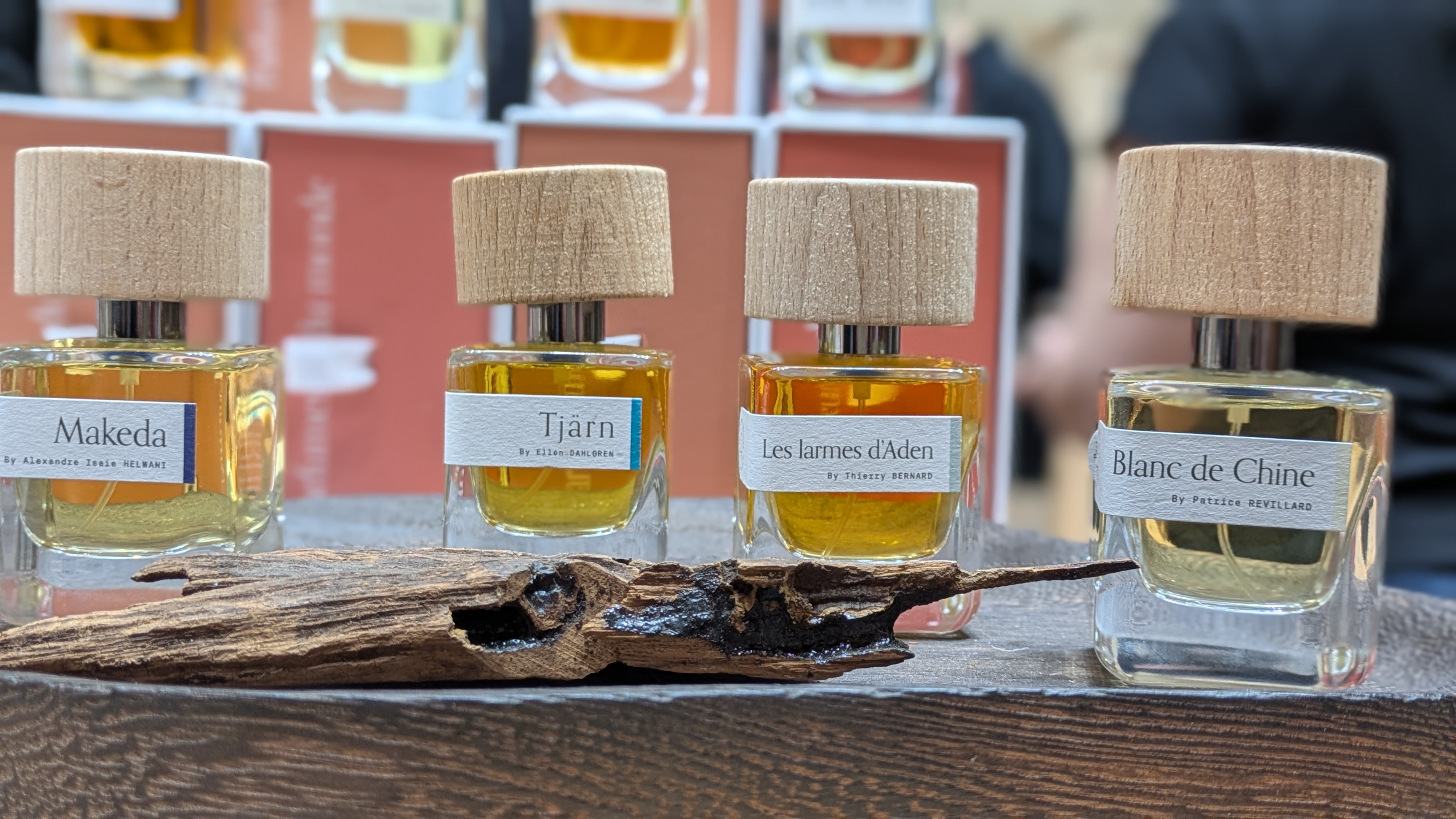
A different, more concept-driven approach was visible in the newly launched brand Amniens. Their collection is built around the effect of scent on mood, with fragrances designed to support states such as focus, joy, energy, and calm—moving beyond traditional aromatherapeutic blends toward compositions that function more clearly as perfumes.
Even perfumers who do not work exclusively with natural materials are shifting their approach. In a conversation with Adrien, co-founder of Tobba, he explained that his intention is to guide visitors toward their own sensory experience—focusing on how a perfume makes them feel, rather than on what it is supposed to represent or which fragrances are bestsellers.
What connects these conversations is not a single direction, but a shared shift toward a more conscious, perception-driven approach to fragrance.
When a Perfume Becomes True
The language of perfumery is expanding, slowly and quietly. Within that expansion, I sense a growing space for approaches that are more material-focused, more perceptual, and more nuanced. It will be interesting to see how this develops further.
At the same time, I find myself asking a simple question: what is a good perfume?
Perhaps it is a perfume that feels honest—true both to its creator and to the person who wears it. Not shaped primarily by trends or the need to please, but by a clear sense of intention and personal expression.
Stay connected with news and updates!
Receive fragrant letters on perfumery, scent materials, and creation.
Don't worry, your information will not be shared.
We hate SPAM. We will never sell your information, for any reason.